

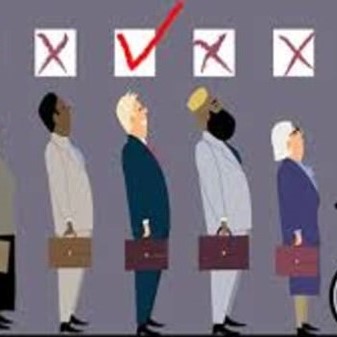
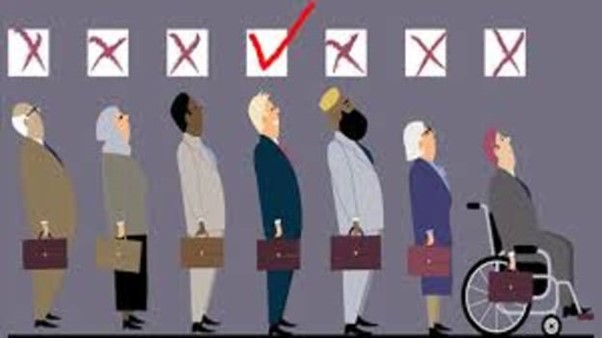
Why we need a fresh approach to tackling unconscious bias in the workplace
Following his recent research into the topic, Daniel Derbyshire outlines what can be done to stamp out implicit biases and improve inclusion
The term ‘unconscious’ or ‘implicit’ bias will be familiar to most HR professionals, and many public organisations and large businesses will have considered programmes to deal with bias among their workforce.
I have conducted unique research into unconscious bias in business and was surprised by the findings. The significant efforts of large companies in the equality, diversity and inclusion (EDI) space, especially relating to disability, are ineffective at reducing unconscious bias. We find it surprising that neither working for a large company nor being involved in HR have a significant effect on implicit attitudes towards disabled people and/or older people. So a new approach is needed.
Large companies spend significant amounts of money on EDI and unconscious bias training – up to $8bn each year in the US (McKinsey, 2017). Similarly, there has been a substantial increase in the number of diversity and inclusion-based job roles over recent years, with LinkedIn suggesting a global rise of 71 per cent from 2015 to 2020. People involved in recruitment and retention decisions – especially HR professionals – are also often specifically trained in EDI issues given their remit of ensuring compliance with relevant legislation such as the Equality Act 2010.
To read the full article, click here.